

When Is the Best Time to Visit Egypt? Full 2026/2027 Guide
What’s the best time to visit Egypt?
October through April, when temperatures are mild (low-to-mid 20s°C) and comfortable for sightseeing — with October and March offering the same great weather as peak winter but smaller crowds.
The best time to visit Egypt is October through April, when daytime temperatures settle into the low-to-mid 20s to low 30s°C (mid-70s to high-80s°F) and the sites along the Nile are genuinely comfortable to explore on foot. But “best” depends on what you’re chasing: December and January bring the coolest, most reliable weather along with the biggest crowds and highest prices, while October, November, and March offer nearly the same conditions with noticeably thinner queues.
If you’re building a tailor-made Egypt itinerary, timing your trip to the right shoulder month can be the single biggest factor in how much you enjoy it — and how much you pay. Below, we break down the weather, crowd levels, and prices for every month, plus the regional differences, Ramadan planning, and packing advice that most generic guides skip. Once you’ve picked your window, we can build our Egypt tour packages and Nile cruise itineraries around it.
1Egypt’s Climate and Seasons, Explained
Understanding what drives Egypt’s weather is the first step to finding the best time to visit Egypt for your own trip. Egypt is a desert country, so the defining variable isn’t rain — it barely rains outside a few coastal weeks in winter — it’s heat and how far south you travel. Cairo and the Mediterranean coast run several degrees cooler than Luxor and Aswan year-round, because Upper Egypt sits deeper in the desert with almost no humidity buffer. That gap widens in summer: Cairo might hit a dry 34°C in July while Aswan pushes past 42°C on the same day.
Nights are the other thing first-time visitors underestimate. Desert air loses heat fast once the sun sets, so even a 30°C afternoon in Luxor can drop to a genuinely chilly 12–15°C by early morning — worth knowing if you’re booking a sunrise hot air balloon or an early start at Karnak. Broadly, Egypt has two real seasons rather than four: a long, mild “winter” running roughly November to March, and a hot “summer” from May to September, with April and October acting as brief transition months. This split is exactly why the best time to visit Egypt is framed around temperature rather than rainfall — coastal areas like Alexandria and the North Coast see the only meaningful precipitation, concentrated between December and February, while Upper Egypt and the Western Desert stay essentially rain-free all year.
2Best Time to Visit Egypt by Season
Winter (December–February) is Egypt’s most popular travel window, and for many travelers it’s the best time to visit Egypt outright. Cairo sits around 19–22°C by day, dropping to single digits at night; Luxor and Aswan are milder still, hovering in the low-to-mid 20s. This is peak season for a reason — it’s the most comfortable stretch for full days of sightseeing — but it’s also when hotel and Nile cruise prices peak, especially around the Christmas and New Year holidays.
Spring (March–May) starts strong, with March offering weather nearly as good as winter at lower prices. From mid-March into April, though, the Khamsin — a hot, dust-laden wind from the Sahara — can roll through in short bursts, occasionally reducing visibility at outdoor sites like Giza for a day or two. By May, Upper Egypt is already climbing into the mid-30s.
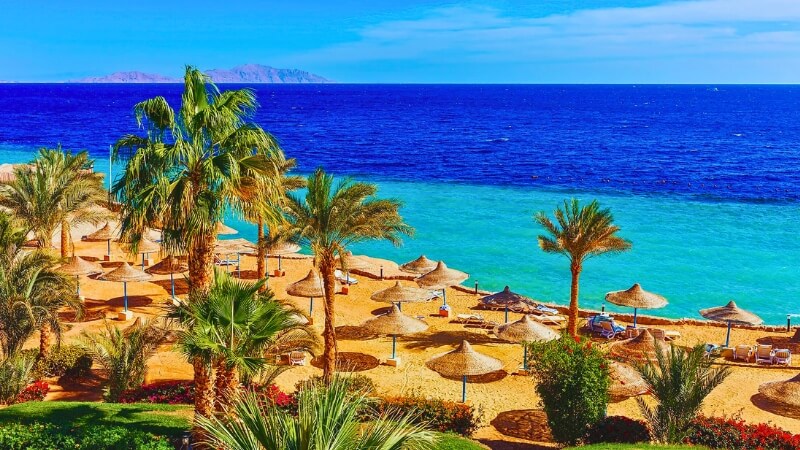
Summer (June–August) is Egypt’s low season for cultural touring and its high season for the Red Sea. Luxor and Aswan regularly exceed 40°C, which makes multi-hour temple visits genuinely demanding, but it’s also when hotel rates, cruise cabins, and flights drop the most, and Hurghada, Sharm El Sheikh, and Marsa Alam are at their liveliest for diving and beach time.
Autumn (September–November) mirrors spring: September is still hot but softening, while October and November offer some of the best value on the calendar—good weather, manageable prices, and crowds that haven’t yet reached December levels. Many repeat visitors and local guides consider October the most underrated month to travel in Egypt.
3Month-by-Month Weather, Crowds, and Prices
- January – Egypt’s coolest month. Cairo highs around 19°C, Luxor/Aswan around 23–24°C, nights can dip to 8–10°C. Extremely busy — book Nile cruises and Cairo hotels well ahead.
- February – Similar to January but a touch warmer, with the Abu Simbel Sun Festival on February 22nd drawing extra visitors to Aswan. Ramadan 2027 is expected to begin around February 8th, so most of the month sees adjusted daytime hours at local restaurants — evenings come alive with iftar gatherings and lantern-lit markets instead.
- March – Comfortable daytime temperatures (22–28°C) and the tail end of Ramadan 2027, expected to conclude around March 8th, followed by the Eid al-Fitr holiday — book transport and hotels early if your trip overlaps with it. Khamsin wind season also begins this month, bringing the occasional dusty day at outdoor sites like Giza.
- April – Warming quickly, especially in Upper Egypt (up to 30–34°C by late April); fewer crowds than winter and good value.
- May – Hot in the south (32–36°C), still pleasant in Cairo and Alexandria; a strong shoulder-season pick for Red Sea trips.
- June – Full summer heat begins; Luxor/Aswan regularly top 38–40°C. Excellent value and quiet temples, but plan outdoor visits for early morning.
- July–August – The hottest, quietest cultural-touring months, with Upper Egypt frequently exceeding 42°C; the best window of the year for discounted Red Sea resorts and diving.
- September – Heat starts easing, especially by late month; a good transitional month for budget-conscious travelers who want to beat the October rush.
- October – Widely considered the sweet spot: warm, clear days (26–32°C), thinner crowds than November onward, and prices that haven’t yet hit peak levels.
- November – Comfortable and increasingly popular as word spreads about October; still noticeably less crowded than December.
- December – Mild, sunny, and the start of peak season; book Nile cruises and Cairo/Luxor hotels early, particularly for the Christmas and New Year period around our Christmas Nile cruise sailings.
4Best Time to Visit by Region
A single “best time for Egypt” answer glosses over how different the country’s regions actually are.
Cairo and Giza are comfortable nearly year-round thanks to their northern location — even July is more bearable here than in Upper Egypt, and winter mornings can feel genuinely cool. October through April remains ideal, but Cairo is one of the few places in Egypt where a summer visit isn’t a major compromise. Read more in our guide to the climate of Egypt.
Luxor and Aswan feel the heat most intensely. These cities sit deep in the desert with little breeze, so the October–April window matters far more here than anywhere else in the country. If you’re visiting the Valley of the Kings, Karnak Temple, or planning a trip to Abu Simbel, aim for these cooler months and schedule outdoor time for the morning or late afternoon regardless of season.
Hurghada, Sharm El Sheikh, and Marsa Alam run on the opposite calendar. The Red Sea coast is at its best from April through November, when the water is warm and visibility for diving and snorkeling peaks; winter is still swimmable but noticeably cooler and windier, which some divers actually prefer for calmer conditions.
The Western Desert and Siwa Oasis are best tackled from November through March. Summer heat here is extreme and largely unbuffered by any coastline, making multi-day desert safaris impractical outside the cooler months.
5Cheapest Time to Visit Egypt
If budget matters more than ideal weather, June through August is consistently the cheapest window — hotel rates, Nile cruise cabins, and flights can run 30–40% below December and January prices, and popular sites are noticeably quieter. Early September holds onto much of that value while the worst of the heat starts to break.
The trade-off is real: multi-hour outdoor itineraries in Luxor and Aswan are genuinely tough in peak summer, so successful budget trips in this window lean on early starts, air-conditioned transport, and pool time or a Nile cruise during the hottest midday hours. For travelers who want a middle ground, our budget Egypt tours are built around shoulder-season dates that balance comfort and cost.
6Best Time for a Nile Cruise
Nile cruises run year-round between Luxor and Aswan, but timing changes the experience considerably. October through April is high season: mild days on deck, comfortable stops at Edfu and Kom Ombo, and the fullest cabin availability across our Luxor and Aswan Nile cruise fleet — though prices and demand peak around the December holidays.
March through May and September through November hit the best balance of pleasant weather and lower rates, with fewer sailings fully booked. Summer cruises (June–August) are the quietest and cheapest, and the river breeze on deck makes them more tolerable than land touring in the same months; if you want a smaller, more intimate option at any time of year, a dahabiya Nile cruise carries far fewer passengers than a standard cruise ship.
7Visiting Egypt During Ramadan and Islamic Holidays
Ramadan shifts roughly 10–11 days earlier each year, so it’s worth checking the exact 2027 dates before you book — it can fall in different seasons entirely from one year to the next. During the fasting month, most Egyptians eat and drink nothing from sunrise to sunset, which means some local restaurants and cafés reduce their daytime hours, while hotels and tourist-facing restaurants continue serving normally. Major sites, museums, and tours operate on their usual schedules throughout Ramadan.
What changes is the atmosphere: evenings come alive with iftar gatherings, street food stalls, and lantern-lit markets like Khan El Khalili, which many visitors find more memorable than an ordinary trip. Non-Muslim travelers aren’t expected to fast, but eating or drinking visibly in public during daylight hours is best avoided out of courtesy. The three-to-four-day Eid al-Fitr holiday that follows Ramadan and the separate Eid al-Adha holiday later in the year both bring a surge of domestic travel — book transport and hotels well ahead if your trip overlaps with either. Full planning details are in our dedicated guide to Ramadan in Egypt.
8Festivals and Events Worth Planning Around
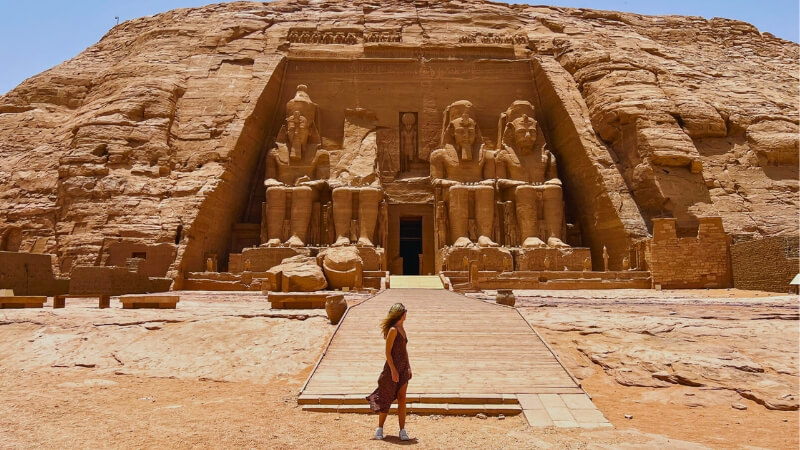
Beyond the weather, a handful of annual events are worth building an itinerary around. The Abu Simbel Sun Festival (February 22 and October 22) marks the twice-yearly alignment of sunlight through the temple to illuminate the inner sanctuary statues — a genuinely rare spectacle worth timing a trip for.
Sham El Nessim, an ancient spring festival usually falling in April, sees Egyptian families picnicking along the Nile and in city parks, adding a lively local flavor to a spring visit. The Cairo International Film Festival brings a burst of cultural energy to the capital in late autumn, while smaller seasonal celebrations — including Coptic Christmas on January 7th and Christmas and New Year touring around our Christmas in Egypt packages — add extra texture to a winter trip. For a full calendar, see our guide to festivals in Egypt.
9What to Pack, Season by Season
October–April (peak season): Layer for a 15–20°C swing between afternoon and night. Bring a light jacket or fleece for evenings and desert mornings, plus a scarf or shawl for covering shoulders at religious sites. Daytime clothing should still be breathable cotton or linen; it’s mild, not cold.
May–September (hot season): Prioritize loose, light-colored, breathable fabrics, a wide-brimmed hat, and high-SPF sunscreen — the desert sun is intense even through cloud. A refillable water bottle is essential; plan on drinking far more than you think you need. Closed, breathable walking shoes protect against hot stone and sand at open sites like Giza and Karnak.
Any season: Modest clothing (shoulders and knees covered) is expected at mosques, churches, and some temple interiors. If you’re sailing, pack swimwear regardless of month — pools and sun decks are used year-round. For the full packing checklist, see our guide on what to pack for Egypt, and browse general Egypt travel tips before you go.
10When to Avoid Visiting Egypt
There’s no single “worst” month — it depends on your priorities — but two windows are worth flagging. Mid-March through May carries the highest risk of Khamsin sandstorms, which can reduce visibility and comfort at open-air sites like Giza for a day or two at a time; it’s rarely trip-ruining, but worth knowing about if photography is a priority. And if you’re heat-sensitive or traveling with young children, July and August in Luxor and Aswan — where daytime highs regularly clear 40°C — can turn sightseeing into an endurance exercise rather than a highlight, even with early starts and air-conditioned transport.
11Frequently Asked Questions
What is the best month to visit Egypt overall?
October, November, February, and March consistently offer the best balance of comfortable temperatures, manageable crowds, and reasonable prices. October in particular is gaining a reputation among repeat visitors as the most underrated month, with clear skies and thinner crowds than the December–January peak.
What is the cheapest time to visit Egypt?
June through August is the cheapest window, with hotel and Nile cruise rates often 30–40% below peak winter prices. Early September holds onto much of that value while temperatures begin easing, making it a good compromise for budget-conscious travelers.
Is it too hot to visit Egypt in summer?
Cairo stays reasonably manageable, but Luxor and Aswan regularly exceed 40°C between June and August. Summer travel works best with early starts, air-conditioned transport, and midday downtime by a pool or on a Nile cruise deck rather than full days on foot at outdoor sites.
Can I visit Egypt during Ramadan?
Yes — sites, hotels, and tourist restaurants operate normally throughout Ramadan. Some local cafés reduce daytime hours, and evenings come alive with iftar celebrations and lantern-lit markets, which many travelers find add a memorable cultural dimension to their trip.
What’s the best time for a Nile cruise?
October through April offers the mildest weather and fullest cabin availability, while March–May and September–November provide the best balance of pleasant conditions and lower prices. Summer cruises are quieter and cheaper, and the river breeze makes them more comfortable than land touring.
When should I avoid visiting Egypt?
Mid-March through May carries the highest chance of Khamsin sandstorms affecting outdoor sites like Giza, while July and August bring the most extreme heat to Luxor and Aswan. Neither is a reason to skip Egypt entirely, but both are worth planning around if comfort is a priority.
12Conclusion
There’s no single wrong answer to when is the best time to visit Egypt — only a better fit for what you want from the trip. October through April delivers the most comfortable sightseeing conditions and the fullest calendar of festivals, while May through September rewards travelers chasing lower prices, quieter temples, and warm Red Sea water. Once you know your ideal window, the next step is matching it to the right route — whether that’s a classic Cairo-to-Luxor itinerary, a multi-night Nile cruise, or a Red Sea extension.
Ready to plan your Egypt trip? Let's find your perfect dates.
A local expert replies within hours with a tailor-made itinerary and honest advice.