Easter in Egypt: Traditions, Celebrations, and Local Customs
Easter in Egypt is a unique cultural and religious experience where centuries-old traditions come alive during the joyful arrival of spring. During this special time, you can witness the Coptic Orthodox celebrations, local customs, and festive gatherings that make Easter in Egypt truly memorable. From church services in historic areas like Old Cairo to traditional foods and the vibrant Sham El-Nessim spring festival, there is a rich blend of spirituality, culture, and community to explore.
In Egypt, Easter is marked by devotion, fasting, prayer, and family gatherings, followed by celebrations that welcome the season of renewal. Experiencing Easter in Egypt allows you to see the country’s living traditions up close, understand its deep-rooted customs, and enjoy the warmth and hospitality of local communities during this meaningful holiday.
1Why Easter in Egypt Is Unique
Easter in Egypt stands out because it combines spiritual devotion, historical depth, and vibrant cultural practices. Egyptian Easter focuses on faith, family, and community, with the Coptic Orthodox Church playing a central role. Unlike the secularized or commercial versions of Easter seen in some countries, in Egypt, the holiday maintains its authenticity and reflects centuries of religious observance.
During Easter week, known as Holy Week, Egyptians prepare through fasting, prayers, and reflective rituals. At the same time, the arrival of spring adds a festive, lively touch to daily life. The streets of Cairo, Alexandria, and Upper Egypt take on a unique atmosphere where devotion and celebration coexist. For travelers, this blend of spirituality, culture, and festivity makes Easter in Egypt a truly immersive experience.
2Coptic Easter in Egypt and Holy Week
Coptic Easter usually follows the Eastern Orthodox calendar, so the date may differ from Western Easter. The week leading up to Easter Sunday is called Holy Week. It begins with Palm Sunday, continues through Maundy Thursday and Good Friday, and culminates in Easter Sunday.
During Holy Week, families participate in various rituals, fasting, and prayers. Many Egyptians attend long church services that can last several hours, featuring hymns, scripture readings, and candlelight ceremonies. These services are both solemn and uplifting, offering a window into the deep spiritual life of the community.
Palm Sunday marks the beginning of Holy Week, commemorating Christ’s triumphal entry into Jerusalem. Worshippers carry palm fronds into churches, symbolizing peace and victory. Families gather for special prayers, and streets near churches are filled with processions and hymns.
Maundy Thursday commemorates the Last Supper, and churches hold evening services with symbolic rituals reflecting humility, service, and reflection. Good Friday is a day of mourning and contemplation, observing Christ’s crucifixion with solemn prayers and candlelight vigils.
Holy Week is also a time for families to reflect on personal spirituality. Fasting begins during this period, preparing the body and soul for the joy of Easter Sunday. The long hours of prayer, meditation, and community gatherings build anticipation for the celebration of the Resurrection.
3Easter Celebrations and Church Services
On Easter Sunday, churches across Egypt are filled with worshippers wearing white garments, symbolizing purity and renewal. Midnight liturgies are a highlight, celebrating the Resurrection of Christ.
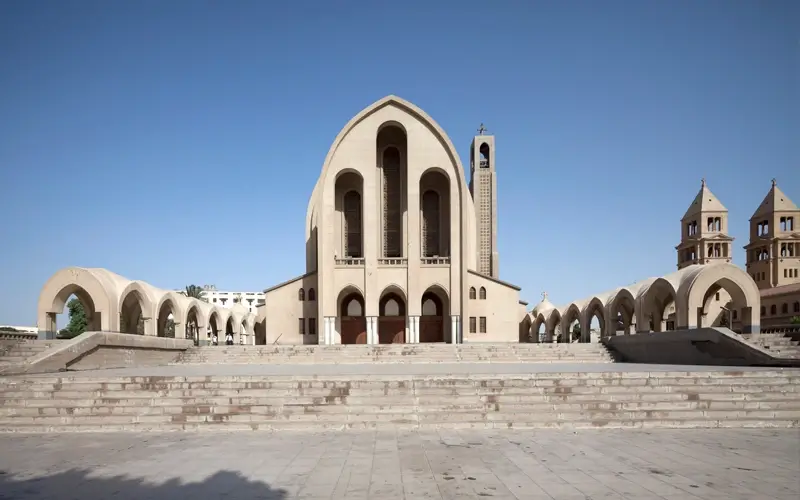
Historic churches in Cairo, such as the Hanging Church, Saint Sergius Church, and Saint George Church, host large congregations and are especially meaningful for visitors seeking an authentic cultural experience. The atmosphere is serene yet uplifting, combining solemnity with the joy of a holiday finally arrived after weeks of fasting and preparation.
The chants, hymns, and candlelight of Easter services are deeply moving. Families greet one another with the traditional blessing, “Christ is risen,” which is met with the response, “Truly, He is risen.” This ritual, simple yet profound, reflects the heart of Egyptian Easter.
In smaller towns and villages, Easter celebrations are equally meaningful, offering a more intimate experience. Attending services here allows visitors to observe local customs in a quieter, reflective environment, witnessing traditions passed down through generations.
4Traditional Easter Food in Egypt
Food plays a central role in Easter celebrations. After the fasting period of Holy Week, families prepare festive meals to mark the Resurrection.
One of the most beloved traditions is making Kahk, a sweet, buttery cookie often filled with dates, nuts, or spices. Families prepare Kahk in large quantities, and the cookies are exchanged with friends, family, and neighbors, spreading joy and reinforcing community bonds.
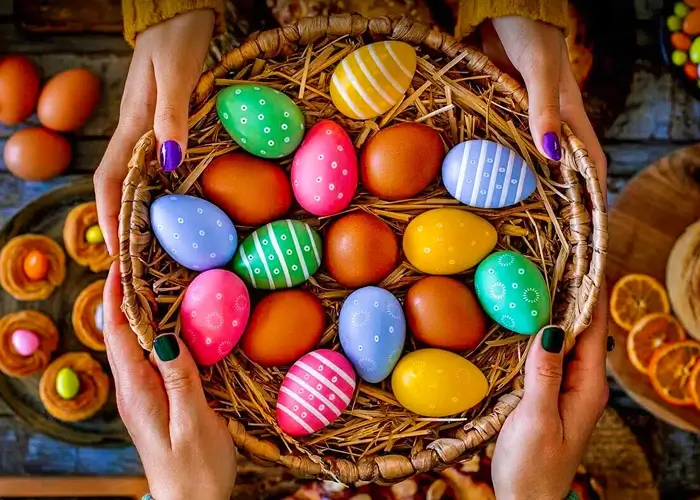
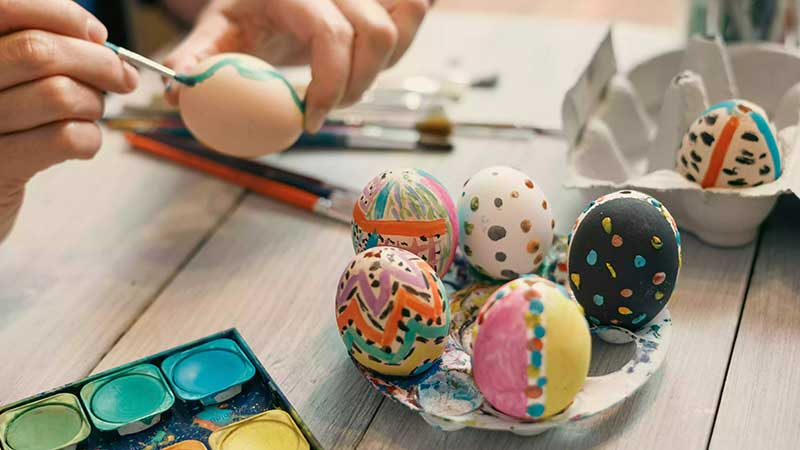
Another cherished tradition is coloring eggs, which symbolizes new life, hope, and renewal. Children often participate in decorating eggs, making it a fun and educational activity that complements the religious celebration.
Many families prepare elaborate meals featuring vegetarian dishes, fresh vegetables, and traditional recipes passed down through generations. Sharing these meals highlights the sense of community and spiritual fulfillment that Easter embodies in Egypt.
For travelers, trying these foods offers a window into Egypt’s rich culinary and cultural heritage. Local markets and bakeries sell Kahk and other Easter treats, making it easy to experience these traditions even if you are not staying with a local family.
5Sham El-Nessim: The Spring Festival After Easter
The day after Easter, Egyptians celebrate Sham El-Nessim, a national spring festival with roots in Pharaonic times. This holiday is observed by Egyptians of all religions and marks the arrival of spring, renewal, and new life.
Families gather outdoors in parks, along the Nile, and in open-air spaces, enjoying picnics and nature. Traditional foods include salted fish, green onions, lettuce, and colored eggs. Sham El-Nessim demonstrates how ancient Egyptian traditions are seamlessly woven into modern life, creating a unique cultural continuation of the Easter celebration.
For travelers, Sham El-Nessim offers a lively and colorful experience that complements the spiritual depth of Easter. Observing local families enjoying the festival or joining in with picnics along the Nile provides a full cultural immersion.
6Places to Visit During Easter
While experiencing Easter in Egypt, there are several iconic and cultural locations that can make your visit even more memorable. Cairo, Luxor, Aswan, Alexandria, and the Nile region offer a mix of historical, spiritual, and festive experiences.
Cairo: Cairo is the heart of Coptic Christianity, home to historic churches like the Hanging Church and Saint Sergius Church, which host special Easter services. Walking through the streets of Old Cairo during Holy Week allows visitors to feel the spiritual atmosphere and observe local customs.
But Cairo is not only about Christian heritage—visitors can also explore its rich Islamic history. Stunning mosques such as the Mosque of Muhammad Ali and Al-Azhar Mosque showcase magnificent architecture and centuries of cultural tradition.
For those interested in shopping and local life, Khan El-Khalili Bazaar is a must-visit. Here, you can shop for traditional crafts, spices, souvenirs, and handmade jewelry, making it a perfect complement to your cultural exploration during Easter.
Luxor and Aswan: Known for ancient temples and monuments, these cities also celebrate Easter with local church services and community gatherings. Attending a small Easter service here offers a quieter, more intimate experience compared to Cairo’s larger congregations.
Alexandria: Along the Mediterranean coast, Alexandria offers a unique blend of historical and modern celebrations. Coptic churches host Easter liturgies, and the city’s coastal setting makes it ideal for enjoying Sham El-Nessim festivities following Easter Sunday.
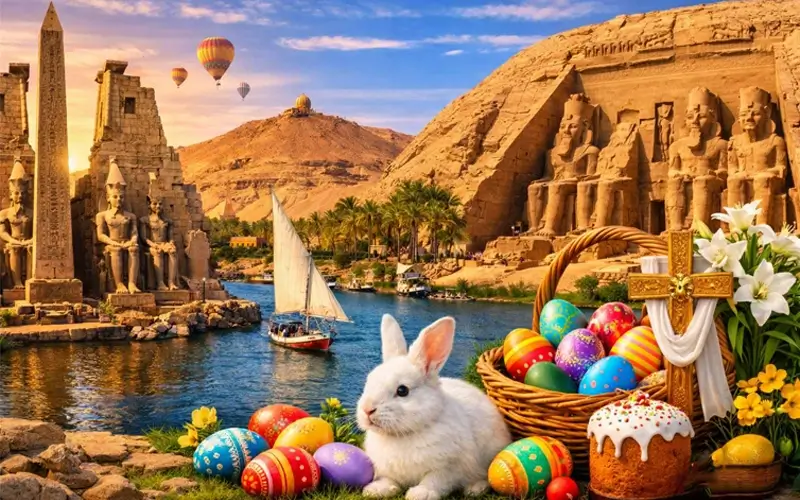
The Nile: Whether on a Nile cruise or along the riverbanks, the Nile region provides a serene backdrop to experience Egypt’s springtime atmosphere. Travelers can combine sightseeing with cultural experiences, enjoying festive foods and local customs associated with Easter.
These destinations allow visitors to experience both the spiritual depth and vibrant culture of Easter in Egypt, making the holiday more than a religious observance—it becomes an immersive journey through history, tradition, and local life.
7Visiting Egypt During Easter
Easter is an ideal Best time to visit Egypt. The weather is mild, and spring brings a fresh and colorful atmosphere to urban and rural areas alike. Travelers can explore historical sites, attend church services, visit mosques, shop in bazaars, and enjoy local markets.
When planning your trip, it’s important to respect religious customs, especially when visiting churches and attending liturgies. Modest clothing, quiet observation, and a mindful attitude towards local traditions will help you experience the holiday authentically.
Visiting during Easter provides insight into Egypt’s living culture, revealing a side of the country that goes beyond Giza pyramids and monuments. You will see how faith, family, and heritage are interwoven into daily life, creating a celebration that is both spiritual and vibrant.
8Practical Tips for Travelers During Easter
- Plan Ahead: Holy Week and Easter Sunday are busy times for local churches. Arrive early to secure a place during services.
- Dress Respectfully: Cover shoulders and knees when visiting churches and mosques.
- Try Local Foods: Don’t miss Kahk cookies and traditional Easter meals, which are often sold in markets and bakeries.
- Attend Sham El-Nessim: Join locals in outdoor picnics along the Nile for a unique cultural experience.
- Explore Beyond Cairo: Luxor, Aswan, Alexandria, and the Nile region offer quieter, equally rich Easter experiences.
- Combine Culture and Leisure: Balance religious observances with sightseeing, shopping, and enjoying Egypt’s springtime atmosphere.
9Final Thoughts on Easter in Egypt
Easter in Egypt is a celebration of faith, renewal, and community. From the solemnity of Holy Week to the joy of Easter Sunday and the festivities of Sham El-Nessim, this period offers travelers and culture enthusiasts an unforgettable experience.
By understanding local traditions, participating respectfully in celebrations, savoring authentic Egyptian foods, and exploring iconic locations, visitors can gain a deeper appreciation for the country’s rich history and living culture. Easter in Egypt is more than a holiday—it’s an immersive journey into one of the world’s oldest Christian traditions, celebrated in a land where history and modern life beautifully coexist.
Ready to plan your Egypt trip? Let's find your perfect dates.
A local expert replies within hours with a tailor-made itinerary and honest advice.