Hanging Church Cairo: Explore Egypt’s Iconic Coptic Landmark
The Hanging Church Cairo, also known as Al-Muallaqa, stands as one of the most iconic landmarks in the city, embodying Egypt’s rich Coptic Christian heritage. Nestled in the heart of Old Cairo, this remarkable church has captivated visitors for centuries with its unique architecture, fascinating history, and serene spiritual ambiance. Whether you are a history enthusiast, architecture lover, or traveler seeking a cultural experience, the Hanging Church offers a glimpse into Egypt’s enduring religious traditions and the remarkable resilience of the Coptic community.
Visiting the Hanging Church is like stepping back in time, walking through a structure that has witnessed centuries of Egypt’s religious and social evolution. Its presence in Cairo is not only a reminder of the city’s multicultural past but also a living testament to the creativity and dedication of those who built and maintained it throughout generations. For many visitors, the church is more than a historical site; it is a place where architecture, faith, and art converge in a harmonious celebration of human ingenuity.
1A Glimpse into History: Coptic Churches in Cairo
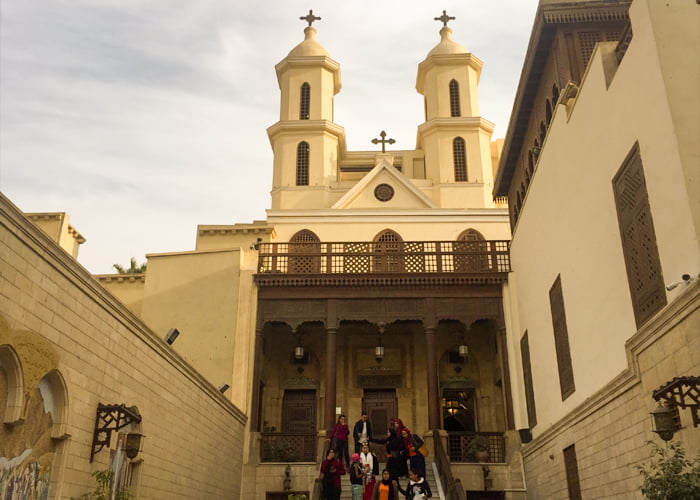
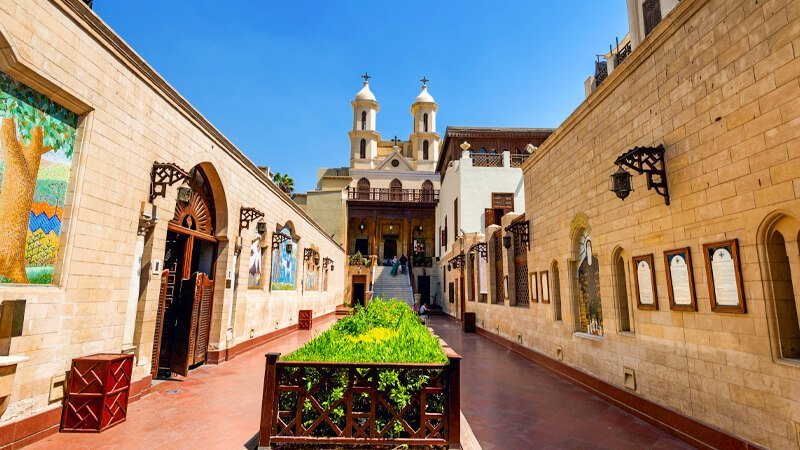
Cairo is home to a wealth of historical sites, but few are as emblematic of Coptic Christianity as the Hanging Church. Its origins date back to the 3rd to 7th century AD, making it one of the oldest surviving Coptic churches in the city. The church derives its name, “Hanging,” from its unusual location: it is suspended above a gatehouse of the Babylon Fortress, an ancient Roman fortification that forms the heart of Coptic Cairo. This elevated position not only gives the church its distinctive appearance but also reflects the ingenuity of early builders in overcoming architectural challenges and making the most of limited space within the fortress walls.
Throughout its long history, the Hanging Church has witnessed countless historical events, from Roman rule and Byzantine influence to the Islamic conquest of Egypt. Despite the social, political, and religious upheavals over the centuries, the church has remained a vital center of worship, symbolizing the resilience and continuity of Coptic Christianity in a city that has been shaped by a multitude of cultures and faiths. Its enduring presence is a testament to the faith and dedication of generations of Egyptian Christians who have preserved their religious and cultural heritage.
2How the Hanging Church Was Built: Architectural Marvel
The construction of the Hanging Church is a marvel of medieval Egyptian engineering. Built atop the Roman fortress’s gatehouse, it required innovative structural solutions to create a stable foundation that could support the church’s weight. Massive wooden beams were laid across the fortress walls, providing the necessary support for the nave and creating the illusion that the church is floating above the ground. This ingenious design allows the church to appear suspended, a feature that is virtually unique among churches worldwide.
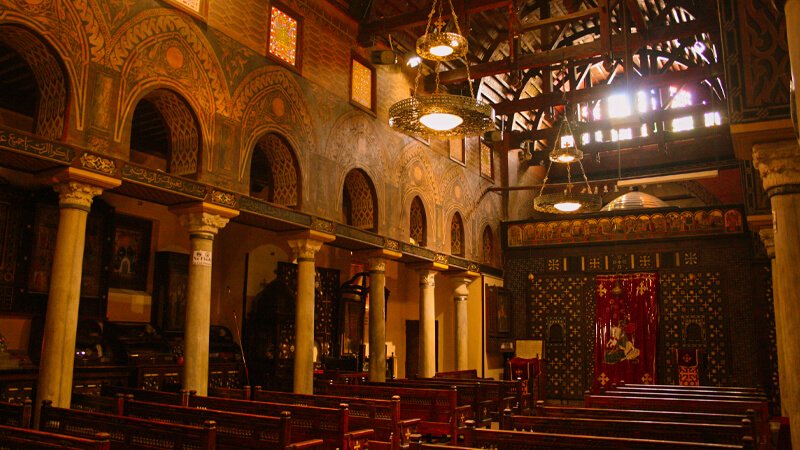
The architectural style of the Hanging Church is a fascinating blend of Coptic, Byzantine, and medieval Egyptian influences. Its exterior is relatively modest, offering few hints of the beauty that awaits inside. Upon entering, visitors are greeted with intricately carved wooden screens, beautifully painted icons, and a long wooden roof supported by slender columns that emphasize the verticality of the space. The play of light filtering through the windows enhances the interior’s sense of height and space, creating an atmosphere of quiet reverence that complements its spiritual function.
The church’s design demonstrates a sophisticated understanding of materials and structural principles. Wood, stone, and mortar were combined to achieve both durability and aesthetic appeal, while the layout was carefully planned to accommodate worshippers and religious ceremonies. The result is a harmonious space that balances practicality with spiritual and artistic expression, reflecting the ingenuity of Coptic architects and builders.
3Interior Splendor: Art, Icons, and Spirituality
Stepping inside the Hanging Church is like entering a living museum of Coptic art and religious devotion. The interior is adorned with numerous icons depicting saints and biblical scenes, many of which date back several centuries. These icons are more than mere decorations; they serve as visual narratives of faith, guiding worshippers through stories of devotion, sacrifice, and divine inspiration.
The iconostasis, a carved wooden screen that separates the nave from the sanctuary, is particularly remarkable. Its intricate designs and gold leaf accents showcase the exceptional skill of Coptic artisans. Alongside the iconostasis, the church contains chandeliers, ancient crosses, and marble floors, all contributing to an environment of sacred beauty. The arrangement of the space reflects both spiritual symbolism and practical functionality, allowing worshippers to participate in services while appreciating the aesthetic richness of the interior.
Visitors often comment on the sense of tranquility within the church. The soft lighting, the scent of incense, and the echoes of distant prayers create a contemplative atmosphere, encouraging reflection and connection with the divine. This immersive experience is one reason why the Hanging Church has remained a center of spiritual life for centuries.
4The Purpose and Significance of the Hanging Church
Beyond its architectural and artistic appeal, the Hanging Church serves a profound spiritual role. It has been a site of worship for generations, hosting daily prayers, religious ceremonies, and significant community events. As one of the most important Coptic churches in Cairo, it symbolizes the endurance of a religious tradition that has survived through periods of political upheaval and societal change.
The church’s elevated position above the Babylon Fortress is symbolic as well, representing a spiritual ascent and the protection of sacred space. Pilgrims and visitors alike are drawn to its serene environment, where the combination of architecture, art, and faith creates a unique spiritual experience. For many, a visit to the Hanging Church is not just a sightseeing trip but a journey into the heart of Egypt’s Christian history, offering insights into a community that has preserved its traditions for nearly two millennia.
5Fascinating Facts About the Hanging Church
The Hanging Church is filled with intriguing features that enhance its historical and cultural significance. For instance, it is one of the few churches in Cairo with a double narthex, allowing worshippers to enter and exit without disturbing ongoing services. The church also houses relics of saints, adding to its importance as a pilgrimage site.
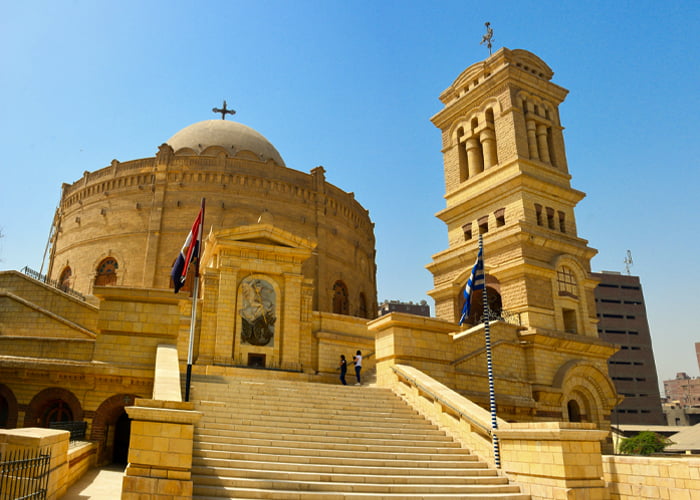
Its relationship with nearby landmarks further enriches the visitor experience. Located in the broader area of Coptic Cairo, the church is part of a network of historic churches, monasteries, and museums, including the Church of St. Sergius and the Coptic Museum. Together, these sites offer a comprehensive view of Egypt’s Christian history and the architectural evolution of Coptic churches. Exploring these sites provides context for understanding the Hanging Church’s unique design and enduring relevance.
6Visiting the Hanging Church Today
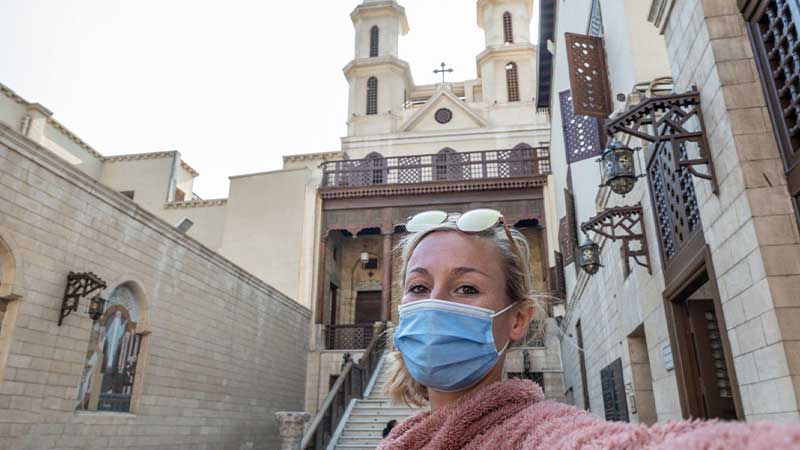
Today, the Hanging Church in Cairo continues to attract thousands of visitors annually. Tourists often combine their visit with a tour of Coptic Cairo, exploring the surrounding streets lined with historic churches, ancient monasteries, and traditional Egyptian architecture. While the exterior may appear simple, the church’s interior surprises every visitor with its ornate details, impressive iconography, and serene atmosphere.
For those interested in learning about the church’s history, architectural features, and religious significance. Local guides share stories about how it was built, the symbolism of its decorations, and the role it played in the broader context of Cairo’s Christian community. Visiting the Hanging Church provides not only a chance to admire its beauty but also an opportunity to understand the social and spiritual life of Coptic Christians throughout history.
7Preservation and Cultural Importance
The preservation of the Hanging Church demonstrates Egypt’s commitment to safeguarding its cultural and religious heritage. Restoration projects have been carried out over the years to maintain the church’s structural integrity and protect its priceless artworks. These efforts ensure that future generations can continue to experience and appreciate this historic site.
The church also serves as an educational resource. Scholars and students studying Coptic architecture, art, and history benefit from its well-preserved interiors and detailed records. Examining its construction techniques, iconography, and cultural context provides valuable insights into the broader narrative of Christianity in Egypt and the Middle East. In this way, the Hanging Church functions as both a living place of worship and a historical archive.
8Connecting with Cairo’s Broader History
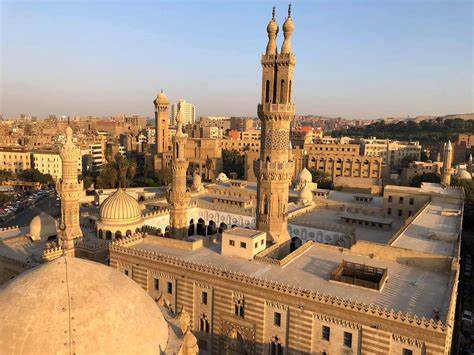
The Hanging Church is more than a standalone landmark; it is an integral part of Cairo’s rich historical landscape. Its location in Old Cairo situates it near the ancient Babylon Fortress and other historic sites that reflect the city’s transformation from a Roman outpost to a thriving medieval capital. Visiting the church allows travelers to trace the layers of Cairo’s history, from the early Christian period through Islamic rule to modern times.
The church also highlights the coexistence of diverse cultures and religions in Cairo. Coptic Christianity has thrived alongside Islam and Judaism for centuries, contributing to the city’s rich diversity. The Hanging Church embodies this coexistence, offering visitors a glimpse into the spiritual and cultural life of a community that has preserved its identity through countless challenges.
Conclusion
The Hanging Church in Cairo is a remarkable monument, combining architectural ingenuity, artistic mastery, and deep spiritual significance. From its suspended construction to its intricately decorated interior, every aspect of the church tells a story of faith, creativity, and resilience. For travelers to Cairo, it offers a uniquely enriching experience that blends history, culture, and spirituality.
Whether admiring the detailed icons, exploring the architectural innovations, or simply soaking in the tranquil atmosphere, visitors leave with a deeper understanding of Egypt’s Coptic heritage. The Hanging Church stands not only as a historical treasure but also as a living testament to the enduring power of faith and human craftsmanship, making it an essential stop for anyone exploring the cultural heart of Cairo.
Ready to plan your Egypt trip? Let's find your perfect dates.
A local expert replies within hours with a tailor-made itinerary and honest advice.